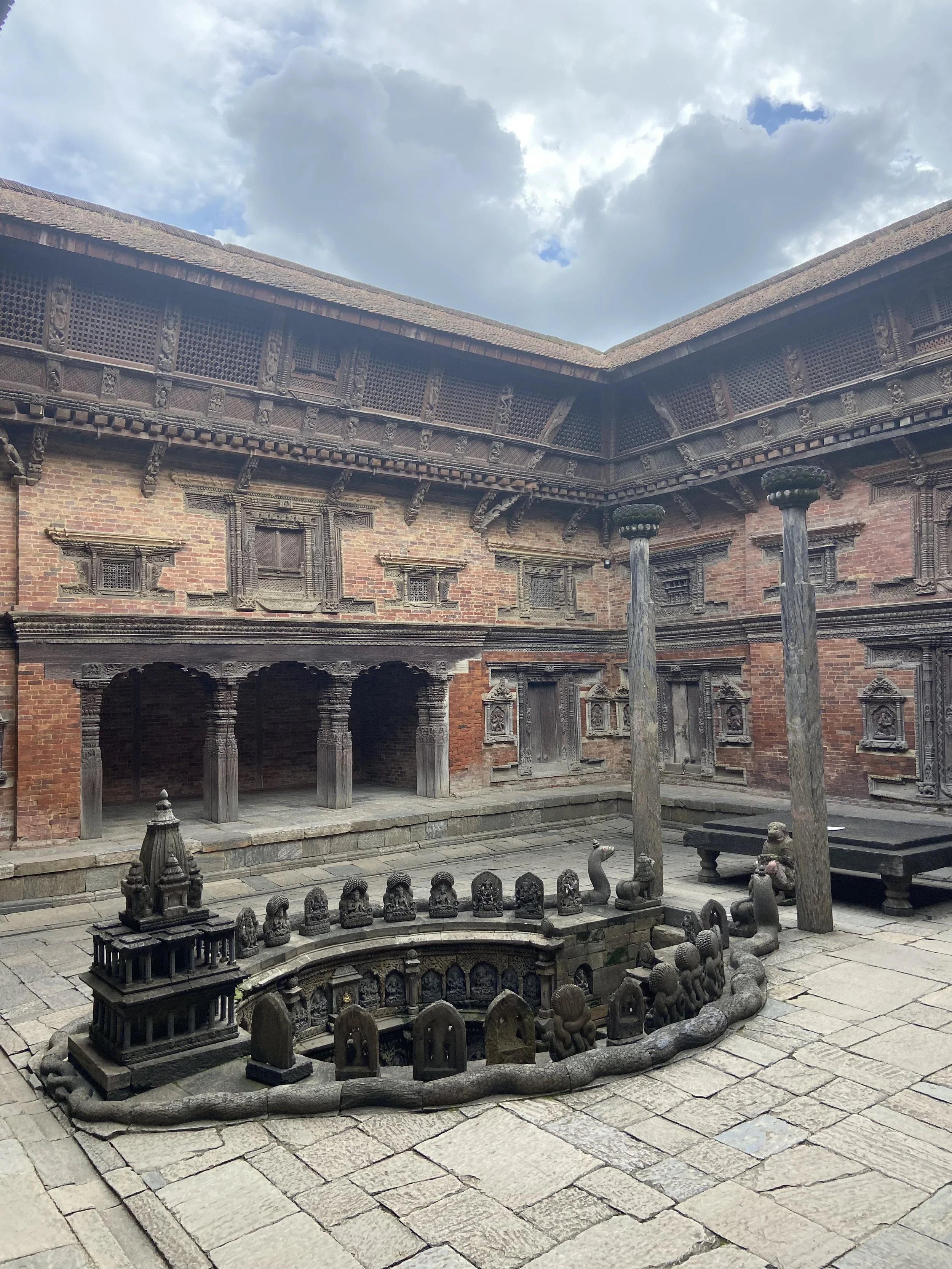
Kathmandu, Nepal 2022
Book Project
My research centers on the gendered consequences of war, with an emphasis the status of women after civil war. Despite gains made for women in terms of political rights and inclusion, women still see varied outcomes in postwar contexts. This book seeks to describe how women’s status changes in post-conflict contexts due to the role of domestic electoral processes. This project addresses the following central questions: under what conditions do we see gender equality improve after civil war? More specifically, I ask why do we see variation in women’s status after civil conflict? I argue that civil conflict provides an opportunity for women’s status to improve, but only when the electoral landscape is favorable to advancing women’s status, in ways that would otherwise not be available during peacetime. Political parties are central arbiters for advancing women’s status as they move from war to peace, and advance legislation and rhetorical support to civilians about policy priorities. Often shaped by the legacy of conflict, political parties will seek to advance women’s status when it provides a competitive electoral edge. However, when there are little incentives to advance women’s status, political parties may only offer tepid support towards fostering gender equality. This book seeks to address these complex political matters by providing quantitative evidence and qualitative case studies to support my theoretical argument.